Augmented AI Engineering
AI engineering, or augmented (AI/LLM) engineering, is AI used as an instrument in an expert engineer's hands. We direct models to do the broad, repetitive, error-prone work, then verify the output against primary sources before anything ships.
Augmented engineering is not automation that replaces the engineer. It is leverage on one. A large language model can read a thousand datasheet lines, reconcile a bill of materials against a schematic and a layout, or draft a release package faster than any person can by hand. What it cannot do is decide what is correct. That judgment stays human. AI engineering at MCG Labs pairs that reach with verification at every gate, so breadth and speed never come at the cost of being right.
The result is simple to state. The exhaustive bookkeeping that engineers never had the hours to do by hand now gets done, in full, and then checked against the source it came from. Below are the places that pays off, the correlation and sorting work it is especially good at, and how we keep an engineer in the loop.
Where augmented engineering helps
Six kinds of work where an engineer directing AI covers more ground, more thoroughly, than the same engineer working alone.
Design cross-checking against datasheets
Every pin, rail, threshold, and absolute-maximum checked against the part's own datasheet. The model reads the full document; the engineer resolves what matters. Confident error gets caught before it reaches fabrication.
BOM reconciliation & sourcing
Hundreds of bill-of-materials lines reconciled against the schematic, the layout, and live distributor stock. Second sources ranked by price, availability, lifecycle, and spec margin. The tedious part done in full.
Release-package automation
Gerbers, centroid, assembly drawing, and BOM assembled and cross-checked as one package. Treated as atomic: it ships only when every check passes, or it does not ship.
Documentation & whitepapers
Design notes, test reports, and technical whitepapers drafted from the real artifacts and then verified line by line against the measurements and sources they cite.
Deep research
Wide, structured literature and part surveys with sources carried through, so a recommendation can be traced back to where it came from instead of to a model's confidence.
Transistor-level reasoning
Working through analog and mixed-signal behavior at the device level, cross-referenced with simulation and datasheet SOA, to reason about a circuit rather than guess at it.
Data correlation and sorting: AI engineering at scale
LLMs are exceptionally good at sorting, reconciling, and correlating large structured sets, the exhaustive bookkeeping engineers never had the hours to do by hand.
That strength shows up across real augmented-engineering work:
- Reconcile hundreds of BOM lines against schematic, layout, and live distributor stock
- Correlate datasheet parameters across a part family to pick a second source
- Weighted-rank candidate parts by price, stock, lifecycle, and spec margin
- Align telemetry and log streams to surface anomalies
- Deduplicate and order large reference sets
The model does the sort and correlation at scale and speed. The engineer defines the criteria and verifies the result. Neither half is optional.
Engineering specification testing
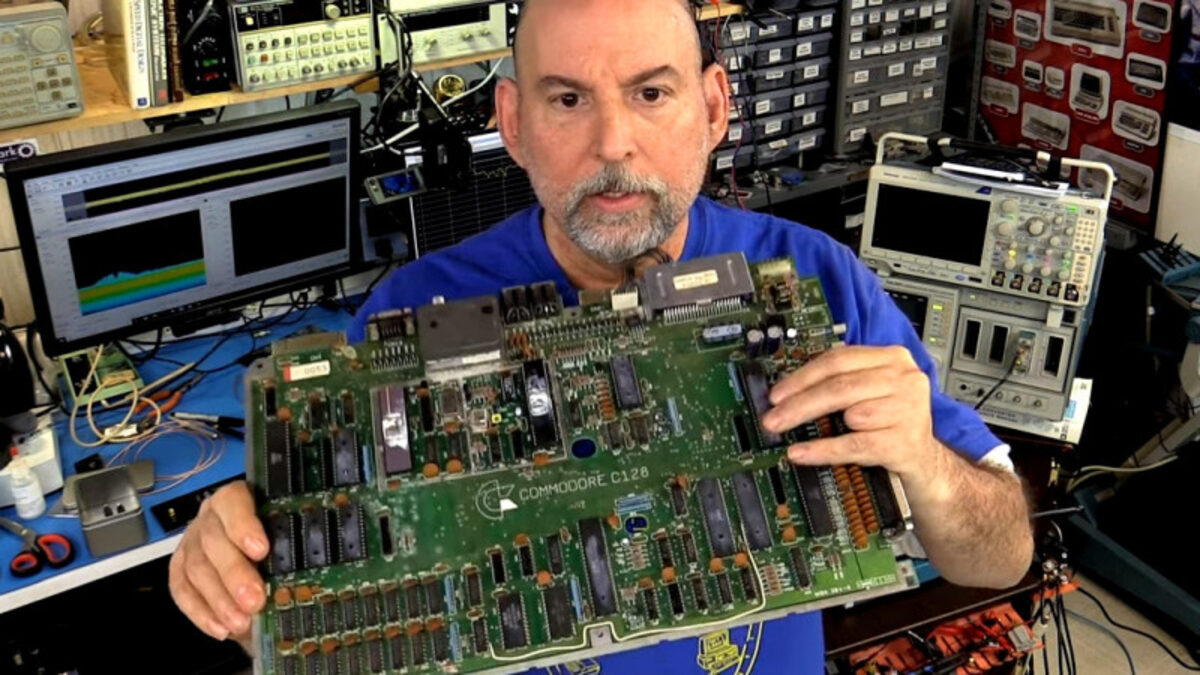
MCG Labs uses AI automation to characterize real components, semiconductors, passives, and the rest, against their specifications. Automated test setups capture the measurements. The AI extracts the parameters, sorts and correlates large result sets, and checks what the part actually does against what its datasheet claims. The engineer defines the test and signs off on the result.
- Characterize semiconductors: transistors, diodes, and ICs across bias, temperature, and safe operating area
- Characterize passives: resistors, capacitors, and inductors against tolerance and frequency behavior
- Extract and tabulate parameters from raw measurement data automatically
- Correlate measured results against datasheet specifications and flag the outliers
- Produce repeatable, documented characterization reports
This is where data correlation meets the bench. It is the test-and-verify half of augmented engineering, turning piles of raw measurements into a clear answer: does this part meet spec, and where does it not.
How we keep it honest
The same discipline runs under every task above. Augmentation without verification is just confident error, and we do not ship that.
Source-grounded
Every claim is checked against a primary source: the datasheet, the schematic, the measurement. Not against memory, and not against the model's confidence.
Verified end to end
The AI extends reach; the engineer verifies the result. Deliverables are atomic. They ship when every check passes, or they do not ship.
Engineer in the loop
Judgment about what is correct stays human at every gate. Augmentation is leverage on an expert, not a substitute for one.
Traceable
Results carry their sources through to the output, so a recommendation can be followed back to the data and the criteria that produced it.
See it applied. Our verified release-package case study shows BOM, schematic, layout, and centroid reconciled and cross-checked as one atomic package. Our network intelligence module case study shows the same correlate-and-sort strength applied to live telemetry, running on hardware we control.
Augmented AI engineering is one of three pillars at MCG Labs. It pairs naturally with private AI hosting when the data must stay inside your boundary, and with a full-stack augmented-engineered product when the work runs from schematic to firmware to enclosure. New to the idea? Start with what augmented engineering is.
AI engineering FAQ
What is AI engineering?
AI engineering is the practice of directing AI and large language models to do the broad, repetitive, error-prone work of a technical project, then verifying every result against a primary source. The AI extends an expert engineer's reach; the engineer defines the criteria and owns the merge.
What is augmented engineering?
Augmented engineering is AI engineering with a human in the loop. It is parallelism with judgment at every gate: the model sorts, correlates, and drafts at scale and speed, while the engineer sets the standard, checks the output against the datasheet or the measurement, and decides when it ships.
What does augmented engineering cost?
Engagements are scoped to the work, so we do not publish fixed pricing. The right structure depends on the deliverable, from a bounded cross-check or release-package task to an ongoing augmented-engineering retainer. Email info@mcgllc.com with what you are building and we will propose a scope.
Put AI engineering to work.
Tell us what you are building. We will tell you where augmentation earns its keep.
Email info@mcgllc.com